


Summer 2025 at Temple Beth Ami
Click the Icon or Text Below for More Information
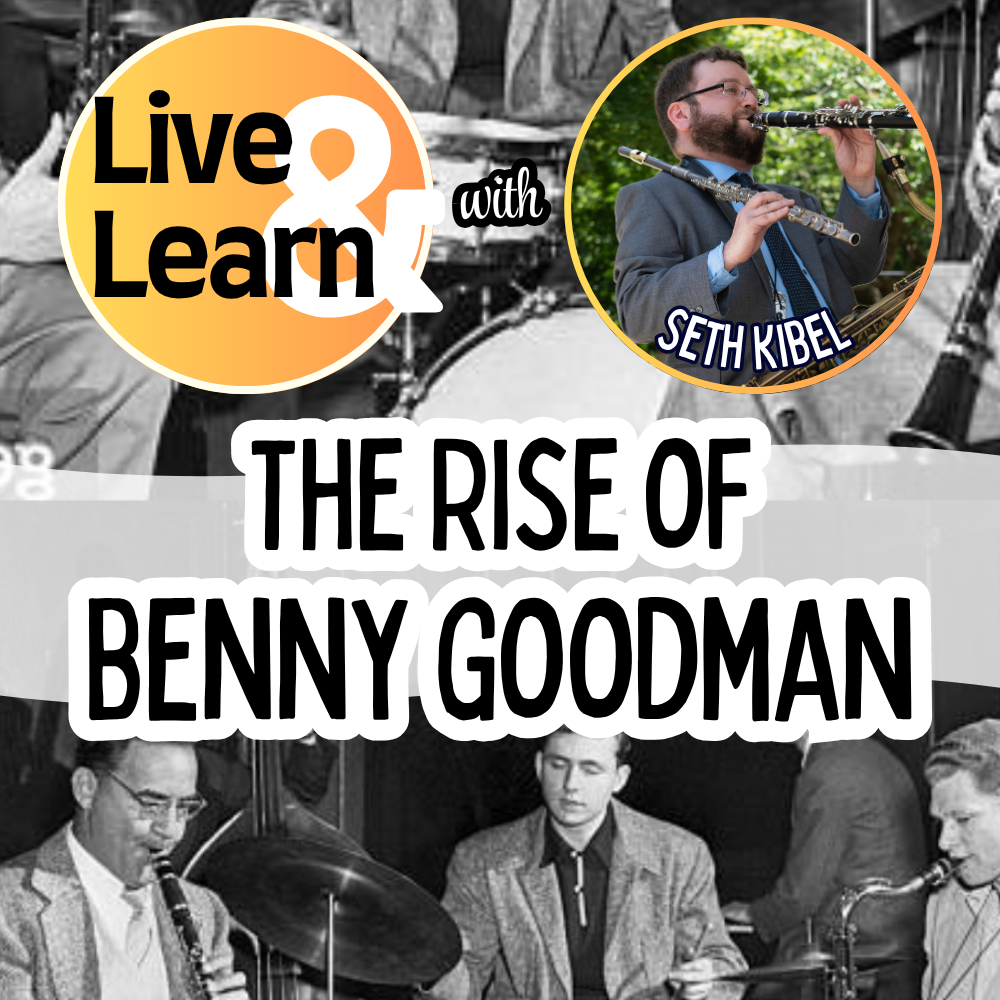
Tues. July 1
10:30 AM
Live and Learn with Seth Kibel
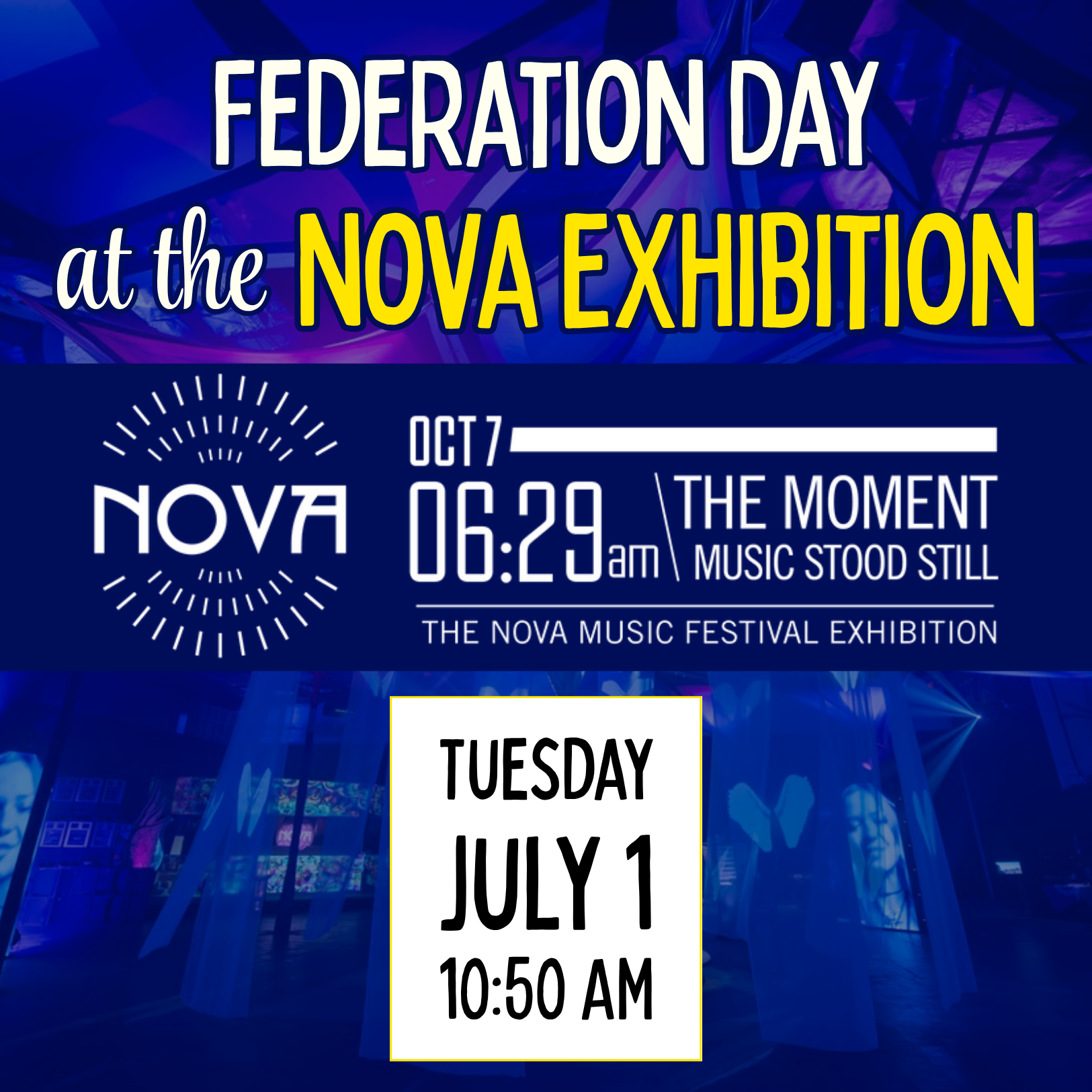
Tues. July 1
10:50 AM
Federation Day at the Nova Exhibition

Fri. July 4
6:00 PM
Picnic Shabbat with Cantor Sharett-Singer

Mon. July 7
1 - 3 PM
Volunteer at I Support the Girls with WTBA

Tues. July 8
10:30 AM
Film: Raisins & Almonds

Wed. July 9
12:30 PM
WTBA Lunch at Gregorio’s
Fri. July 11
5:30 PM
Preschool Aged Shabbat Service
Fri. July 11
6:30 PM
Traditional Shabbat Service with Sermon from our Rabbis

Sat. July 13
7:00 PM
Campfire Songs & S’mores with Cantor Sharett-Singer

Mon. July 14
10:30 AM
Topic: Bock and Harnick – the guys who wrote “Fiddler on the Roof”

Mon. July 14
6:30 PM
Free Birds Trivia Night at Quincy’s in Potoamac
Tues. July 15
10:30 AM
Film: Yidl Mitn Fidl (1937)

Wed. July 16
12 PM
Get to Know Cantor Sharett-Singer at a Bring Your Own Lunch Event
Fri. July 18
6:30 PM
Music-filled Shabbat Service
Mon. July 21
1 - 3 PM
Volunteer at I Support the Girls with WTBA
Tues. July 22
10:30 AM
Film: Tevye (1937)
Fri. July 25
6:30 PM
Traditional Shabbat Service with Sermon from our Rabbis

Tues. July 29
10:30 AM
Live and Learn with Harvey Leven
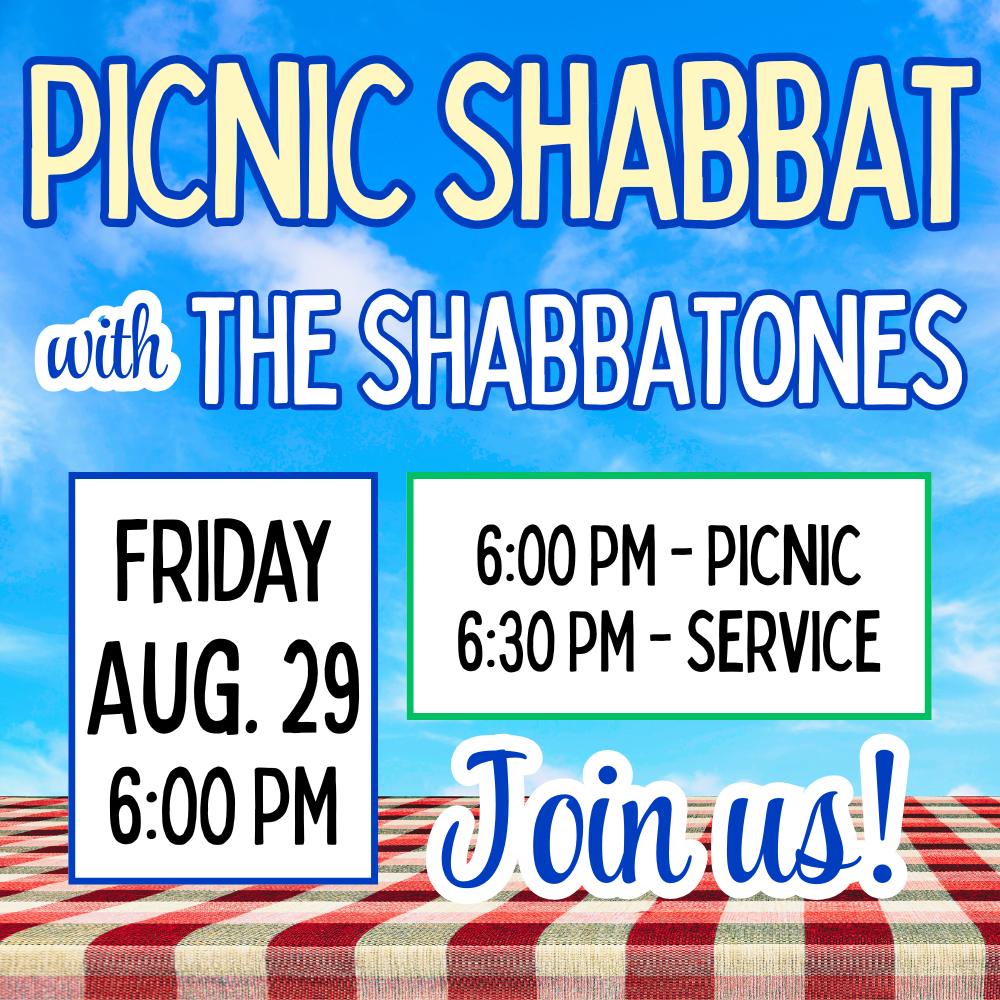
Fri. Aug. 1
6:30 PM
Shabbat Service with a Camp Spirit
Sat. Aug. 2
8:30 PM
Erev Tisha B’Av – Havdalah and Ceremony
Mon. Aug. 4
10:30 AM
Topic: Broadway!

Mon. Aug. 4
6 - 8PM
Happy Hour with Jon Singer at Botanero (Guys Night Out)
Tues. Aug 5
10:30 AM
Film: Brivele Der Mamen (1939)

Tues. Aug. 5
7 PM
WTBA Lunch at Farmsook Thai Kitchen

Wed. Aug. 6
10:30 AM
Coffee and Conversation with Shelly Gordon

Wed. Aug. 6
7:30 PM
Meet & Greet with Cantor Sharett-Singer and Performing Arts Committee
Fri. Aug. 8
5:30 PM
Preschool Aged Shabbat Service
Fri. Aug. 8
6:30 PM
Traditional Shabbat Service with Sermon from our Rabbis
Tues. Aug 1210:30 AM
Film: Overture to Glory (1940)
Fri. Aug. 15
6:30 PM
Music-filled Shabbat Service

Sun. Aug. 17
10 AM - 4 PM
WTBA Mah Jongg Tournament
Tues. Aug 19
10:30 AM
Film: The Jazz Singer (1927)
Fri. Aug. 22
6:30 PM
Traditional Shabbat Service with Sermon from our Rabbis

Tues. Aug 26
10:30 AM
Live and Learn with Caron Dale

Tues. Aug. 26
12 PM
Get to Know Cantor Sharett-Singer at a Bring Your Own Lunch Event
Additional TBA Information

Hours Vary
Reach Out of an Appointment

Community Service Opportunities
View Schedule

TBA School and Summer Programs
Limited Enrollment Available – Reach Out Today!

WTBA Virtual Yoga
Register today!
Korach Numbers 16:1 – 18:32
Korach
Numbers 16:1 – 18:32
By Jen Smith
Parshat Korach is a dramatic story of rebellion and ego, of swallowed tents and heavenly fire. Korach, a Levite by birth, challenges Moses and Aaron, claiming: All the community is holy, every one of them, and God is in their midst; why then do you raise yourselves above the Lord’s assembly? (Numbers 16:3). On the surface, it sounds like Korach is a staunch advocate of spiritual equality. But as the story unfolds, we learn that this is more of a power grab than holy protest.
Jewish mysticism, especially the Kabbalistic tradition, invites us to look beneath the surface of this tale. According to the Zohar, while Korach was right in his belief that all souls contain holiness, he ultimately failed to understand that holiness isn’t homogeneous. Just as each sefirah (divine quality/emanation) has its own unique function and specific spot on the Tree of Life, so too does each human soul have a distinct purpose. Moses represents Chochmah (wisdom), Aaron represents Chesed (lovingkindness), and Korach, though spiritually potent, misaligned himself with Gevurah (judgment and ego).
From Korach’s pursuit of (self-righteous) judgement we learn that terrible things can happen when we pursue or assume roles that don’t match our personal spiritual gifts. As our great rabbinic tradition teaches, the world is best sustained when each soul tends its corner of creation with humility and devotion.
Jewish tradition consistently upholds the value of anavah (humility) not as weakness, but rather as strength. Moses is called the humblest of men, not because he thought little of himself, but because he made space for others. Korach, by contrast, filled the room with his ego, allowing no room for other people or opinions.
For me, Korach is a reminder of the Jewish value of machloket l’shem shamayim, disagreements for Heaven’s sake. Argument is a part of Jewish life, and our Jewish tradition loves debate. In fact, the Talmud is essentially a volume of arguments recorded for centuries! In Pirkei Avot 5:17 we learn that a dispute like that of Hillel and Shammai will endure even today because the argument is for and in pursuit of truth. The dispute of Korach and his followers lives as a finite cautionary tale because Korach’s indignation was rooted in pride and power, not in pursuit of truth to better understand God’s Divine will.
In our modern world, we are surrounded by loud voices online, in politics, even in our communities, all clamoring for attention, authority, and control. The story of Korach challenges us to ask: What is the source of our leadership? Our outrage? Our ambitions?
Rabbi Jonathan Sacks, of blessed memory, offers a timeless insight into leadership when he wrote that leadership is primarily about responsibility, not popularity. He argued that “Leadership does not mean doing what people want. It means having the courage to do what is right.”
Korach sought popularity and influence over responsibility or service. Moses, however, led for the good of the people, not the glory of title or power – even when it meant confronting loneliness, criticism, and an immense burden. In our time, we have unprecedented access to platforms. Anyone can “go live” and speak to the world. But Parshat Korach reminds us that sacred influence requires introspective work, humility, and spiritual responsibility.
Not every loud voice is a prophetic one, and not every rebellion is holy. And yet, according to Kabbalistic teachings, Korach’s soul was not destroyed forever. In fact, there is a midrash that teaches that Korach still sings from beneath the earth that Moses was right, and the Torah is True. But here is my favorite part: Not only does Korach sing Moses’ praise from his grave, but there is also a belief that in the time of redemption, Korach’s energy will be uplifted and used for good – redemption doesn’t even exceed Korach’s grasp! Even the misguided parts of us that struggle with pride, regrets, missteps, and fiery ambition can one day be elevated, transformed, and redeemed.
This week, let us celebrate the path of Moses; not because he was perfect, but because he suppressed his own ego for the sake of the Israelites, for peace, and for the sake of our collective Jewish community. In a world full of Korachs, may we have the courage to be a little more like Moses.
Parshat Sh’lach Numbers 13:1 – 15:41
Parshat Sh’lach
Numbers 13:1 – 15:41
By Jen Smith
In Parshat Sh’lach, twelve spies are sent to scout the land of Canaan. They all see the same terrain: lush, fertile, and inhabited territory claimed by mighty civilizations who build fortified cities. And yet, while only two of the spies, Joshua and Caleb, return with a message of hope, the others are consumed by fear: “We were like grasshoppers in our own eyes, and so we were in theirs.” (Numbers 13:33)
This verse reveals something deeper than military anxiety. It uncovers a spiritual crisis: a failure of the Israelites to see themselves as reflections of the Divine. Though made b’tzelem Elohim, in God’s own image, endowing them with strength, spirit, dignity and purpose, fear distorts their vision of the land and, more importantly, themselves.
One of my favorite writers, Mark Twain, once said, “Courage is resistance to fear, mastery of fear; not absence of fear.” Fear is not shameful, it is human. The question is: what do we do with it?
In a world shaken by violence, where Israel faces a daily barrage of threats and missiles from Iran and war overshadows everyday life, it might seem reasonable to feel like grasshoppers again. Small, vulnerable, utterly powerless. But Sh’lach reminds us that we are not defined by the fear we face, we are defined by how we rise and face our challenges.
The Zohar, Judaism’s mystical text, offers us a lens, teaching us that the human soul is like a flame flickering in the winds of history: waxing and waning at times, but never extinguished. God’s image of us is far from a fragile prototype sketch, it is a living fire! Like the light of the menorah in last week’s Torah portion, that inner light burns even when the world trembles. Joshua and Caleb’s courage didn’t come from perfect confidence, it came from remembering who they were: children of God made in His divine image – bearers of sacred light. Joshua and Caleb were able to see through fear to the promise ahead.
Positivity is not about pretending that everything is fine. Jewish tradition never requires us to deny fear. Instead, it asks us to root ourselves in emunah, faith, and to act as emissaries of light, not purveyors of shadow. We are encouraged to remember that even in crisis (especially in crisis) we are not alone. We are each infused with the capacity to bring wisdom, compassion, and healing to our communities and the world around us. We know this because we are made in God’s image. When we recognize that in ourselves, we’re able to lift the veil to reveal the same divine potential in others and shift our perspective from despair to sacred determination.
Even in the face of war, uncertainty, and despair we are commanded to choose life, pursue peace, and embody hope. This is divine courage.
Sh’lach reminds us of our sacred purpose to be a light unto the nations, leading with light that transcends any shadow and lifting our voices for promise instead of panic. Only then can we transformed the Giants of a strange land into opportunities for holy resistance, healing, and mastering our fear through the light of faith. As the shadows draw near in the coming weeks, may we remind ourselves and each other that the image of God is not only found in the remote spiritual oasis of the heavens, but also thriving within every human heart waiting to be seen, kindled, and shared.
Shabbat Shalom.